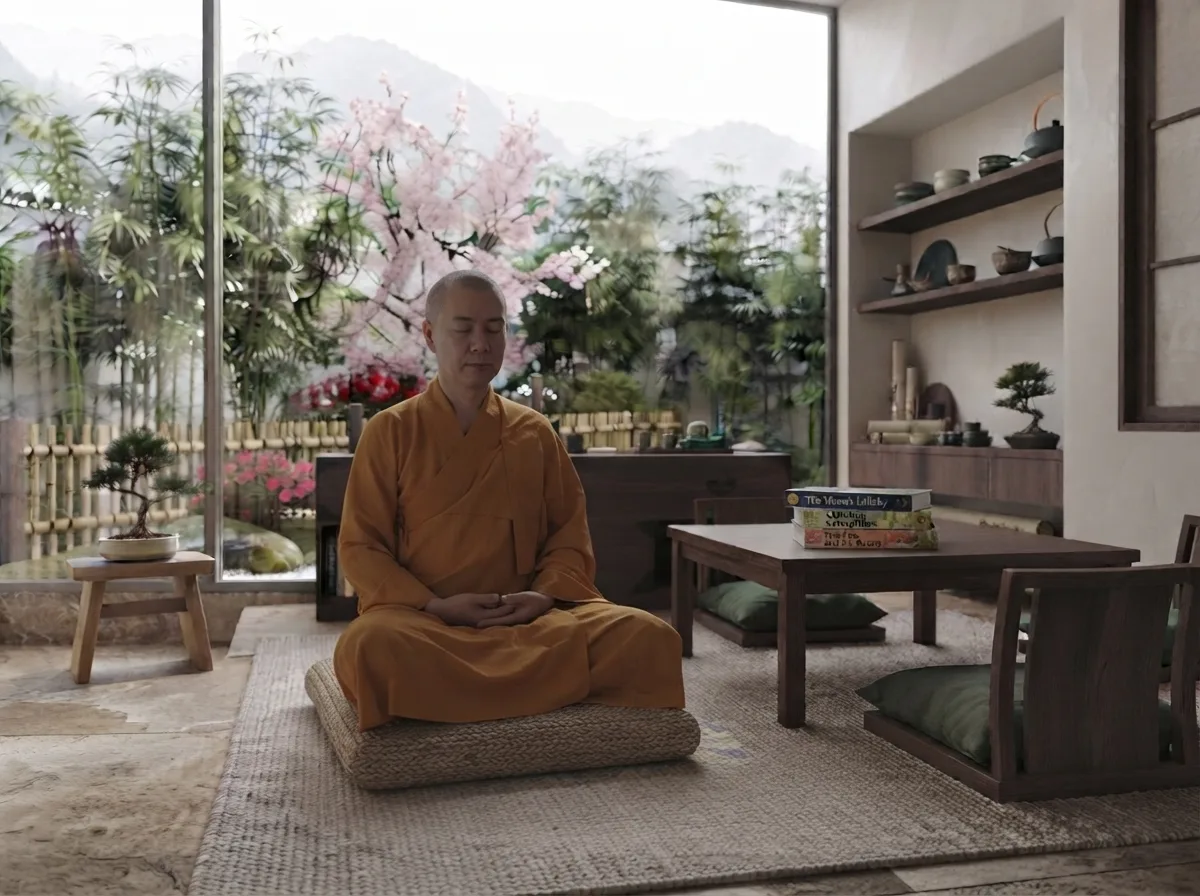
A Thai monk meditation retreat can provide a unique opportunity to step away from the demands of everyday life and spend time developing mindfulness, concentration and self-awareness.
Meditation has a long history within Thai Buddhism, and many Thai temples and meditation centres offer opportunities for people to learn and practise under the guidance of experienced monks or meditation teachers.
A retreat is not simply a holiday or a period of relaxation. It is an opportunity to establish a disciplined routine, reduce distractions and explore Buddhist meditation and teachings in a quiet environment.
What Is a Thai Monk Meditation Retreat?
A Thai monk meditation retreat is a period of dedicated practice in a Buddhist temple or meditation centre. Participants may spend several hours each day practising meditation, listening to Dhamma teachings, walking mindfully and following a simple daily routine.
The exact programme differs from one temple or meditation centre to another. Some retreats may be designed specifically for beginners, while others may involve more intensive meditation practice.
Some retreats are led directly by monks, while others may involve lay meditation teachers working within the Thai Buddhist tradition.
Why Do People Attend a Meditation Retreat?
People attend meditation retreats for many different reasons. Some want to learn how to meditate, while others wish to deepen an existing practice.
Common motivations include:
- Learning traditional Buddhist meditation techniques
- Developing mindfulness and concentration
- Spending time away from everyday distractions
- Reflecting on personal habits and behaviour
- Learning more about Buddhist teachings
- Developing greater awareness of thoughts and emotions
- Experiencing a simple and disciplined way of life
- Deepening one's personal spiritual practice
A retreat does not need to involve a specific expectation of achieving a dramatic spiritual experience. For many participants, simply learning to observe the mind and live more mindfully is an important part of the practice.
Thai Buddhist Meditation Traditions
Thai Buddhism includes several meditation traditions and lineages. Practices can differ between temples, teachers and meditation centres.
Two important concepts commonly encountered in Buddhist meditation are Samatha and Vipassana.
Samatha Meditation
Samatha is generally associated with calmness, tranquillity and the development of concentration. Practitioners may use an object of meditation to help develop a steady and focused mind.
One common practice involves attention to the breath. The practitioner observes the natural breathing process and repeatedly brings attention back when the mind wanders.
Vipassana Meditation
Vipassana is commonly translated in the context of Buddhist practice as insight meditation. It involves developing awareness and observing experiences as they arise and pass away.
Depending on the particular tradition, practitioners may observe bodily sensations, thoughts, feelings and other mental or physical experiences with careful awareness.
The precise method taught during a retreat depends on the meditation lineage and teacher.
What Happens During a Thai Meditation Retreat?
Retreat schedules vary considerably, but a typical day may include several periods of sitting meditation, walking meditation, meals, chanting, Dhamma talks and periods of rest.
A simple example of a retreat schedule might look like:
Time Activity Early morning Wake up, personal preparation and meditation Morning Meditation, chanting or Dhamma practice Breakfast Simple vegetarian or temple meal, depending on the retreat Morning session Sitting and walking meditation Midday Meal and personal time Afternoon Meditation and Dhamma instruction Evening Chanting, meditation or teaching Night Quiet reflection and restThis is only an example. Participants should follow the actual schedule and rules of the temple or retreat centre they attend.
Sitting Meditation
Sitting meditation is one of the most familiar forms of Buddhist meditation. Participants normally sit in a stable and comfortable posture while following the meditation method taught by the teacher.
Beginners do not necessarily need to sit in the full lotus position. Depending on the retreat's instructions, a person may sit on a meditation cushion, bench or chair.
The important principle is to maintain an alert but reasonably relaxed posture and follow the technique provided by the teacher.
Walking Meditation
Walking meditation is another important practice found in many Buddhist meditation traditions.
Rather than walking automatically, the practitioner pays close attention to the movement of the body and the experience of walking.
Walking meditation can complement sitting meditation and may be especially useful for beginners who find it difficult to remain seated for extended periods.
Mindfulness During Everyday Activities
Meditation practice does not necessarily end when a formal meditation session finishes. Retreat participants may be encouraged to bring mindfulness into ordinary activities.
Eating, walking, cleaning, bathing and other activities can become opportunities to practise awareness.
The objective is to become more aware of what is happening in the present moment rather than constantly becoming lost in thoughts about the past or future.
Learning From Thai Monks
One of the unique aspects of a temple retreat can be the opportunity to listen to Buddhist teachings from monks who have spent years practising within a particular tradition.
Teachings may cover subjects such as:
- The Four Noble Truths
- The Noble Eightfold Path
- Mindfulness
- Compassion
- Impermanence
- Ethical conduct
- Concentration and meditation
- Understanding thoughts and emotions
Participants should remember that different monks and meditation traditions may explain Buddhist teachings in different ways.
Temple Etiquette During a Meditation Retreat
Visitors should respect the religious environment of the temple. Temple etiquette can vary, but several general principles are commonly appropriate.
Dress Modestly
Wear clean, modest and comfortable clothing appropriate for a Buddhist temple. Some retreats may have specific clothing requirements.
Speak Quietly
Meditation centres are generally quiet environments. Avoid unnecessary conversation, loud music and disruptive behaviour.
Respect the Monks
Follow the temple's customs when interacting with monks. If you are uncertain about appropriate behaviour, observe experienced participants or politely ask a retreat organiser.
Respect Buddha Images
Buddha images are treated with respect within Buddhist communities. Avoid inappropriate poses, touching or behaviour around Buddha images.
What Should You Bring to a Meditation Retreat?
A retreat generally requires fewer possessions than a normal holiday. The purpose is to reduce distractions and concentrate on practice.
Depending on the retreat requirements, useful items may include:
- Comfortable modest clothing
- Personal toiletries
- Medication that you normally require
- Personal identification and required documents
- A reusable water bottle if permitted
- Simple footwear
- Notebook and pen for personal reflections, if permitted
- Any meditation equipment specifically recommended by the retreat
Always check the retreat centre's instructions before arriving.
What Beginners Should Expect
A first meditation retreat may be very different from what a beginner expects. Spending several hours each day in meditation can be physically and mentally challenging.
The mind may become restless, thoughts may become more noticeable and sitting still for long periods may feel uncomfortable.
These experiences do not necessarily mean that you are failing at meditation. Learning to observe the mind patiently is part of the training.
Beginners should follow the teacher's instructions and speak with the retreat organisers if they experience significant physical or psychological difficulties.
How to Prepare Before a Thai Monk Meditation Retreat
Good preparation can make the retreat experience more comfortable and meaningful.
- Learn the basic rules: Understand the retreat schedule, dress requirements, meal arrangements and temple etiquette.
- Reduce distractions: Prepare to spend less time on phones, social media and entertainment.
- Practise sitting: Beginners can gradually become accustomed to sitting quietly for short periods before attending.
- Maintain realistic expectations: Do not expect immediate enlightenment or a dramatic spiritual experience.
- Keep an open mind: Be willing to listen, observe and learn from the retreat environment.
Food and Daily Routine
Temple retreats often follow a simple daily routine. Depending on the temple and retreat tradition, meals may be vegetarian or may follow other specific Buddhist customs.
Some retreats have specific meal times or restrictions on eating later in the day. These practices vary, so participants should check the rules of the individual retreat centre before attending.
The simplicity of the routine can help participants reduce distractions and devote more attention to meditation and practice.
Silence and Noble Silence
Some meditation retreats include periods of silence, sometimes referred to as noble silence.
The purpose is not simply to prevent conversation. Silence can reduce external stimulation and provide greater opportunity to observe thoughts, feelings and reactions.
If a retreat requires silence, participants should respect the instructions and communicate with staff when communication is genuinely necessary.
Benefits Commonly Associated With Meditation Practice
Regular mindfulness and meditation practice is commonly used to develop greater awareness, concentration and emotional self-regulation.
Participants may report experiences such as:
- Greater awareness of thoughts and emotions
- Improved ability to concentrate during practice
- A greater appreciation of quiet and simplicity
- Increased awareness of everyday activities
- Greater understanding of Buddhist teachings
- A stronger motivation to continue a meditation practice
Individual experiences vary, and meditation should not be regarded as a guaranteed treatment for physical or psychological conditions.
Meditation Is a Practice, Not a Competition
It is easy for beginners to compare themselves with other participants during a retreat. One person may appear to sit peacefully for a long time while another may struggle with restlessness.
Meditation is not a competition. The purpose is to develop awareness and practise according to the instructions provided by the teacher.
Returning attention to the chosen meditation object again and again can itself be an important part of the practice.
Choosing a Thai Meditation Retreat
Thailand has many temples and meditation centres, but they do not all offer the same type of retreat.
Before registering, consider:
- Whether the programme is suitable for beginners
- The meditation tradition being taught
- The length of the retreat
- The daily meditation schedule
- Whether English or another language is available
- Accommodation arrangements
- Meal arrangements
- Temple rules and dress requirements
- Whether registration is required in advance
- Any fees, donations or other requirements
Always obtain current information directly from the temple or retreat centre because schedules and requirements can change.
Respect the Difference Between a Retreat and a Holiday
A meditation retreat can be peaceful, but it may not always be comfortable. Early mornings, extended periods of meditation, limited entertainment and a structured schedule can require patience and discipline.
Approaching the retreat as an opportunity to practise rather than as a conventional holiday can help create a more meaningful experience.
Continuing Meditation After the Retreat
The real value of a retreat can extend beyond the days spent at the temple. Participants can bring elements of the practice into daily life.
A simple routine might include:
- Five to fifteen minutes of quiet meditation each morning
- Mindful breathing during stressful moments
- Mindful walking
- Paying closer attention while eating
- Observing thoughts before reacting to them
- Reading or listening to Buddhist teachings
Consistency is often more practical than attempting a very long meditation session and then abandoning the practice.
Conclusion
A Thai monk meditation retreat can offer a valuable opportunity to step away from everyday distractions and explore mindfulness, meditation and Buddhist teachings in a traditional environment.
Whether you are completely new to meditation or already have an established practice, a retreat can provide time for quiet reflection and disciplined training.
The most important approach is to attend with respect, patience and realistic expectations. Follow the instructions of the temple or meditation teacher, respect Buddhist customs and allow yourself time to learn.
Ultimately, meditation is not about achieving a particular experience. It is a practice of developing awareness and understanding, one moment at a time.
Explore Thai Buddhist Temples and Monks
Learn more about famous Thai monks, Buddhist temples, meditation traditions and the history of Thai Buddhist practice.
Explore Thai Monks Explore Thai TemplesDisclaimer
This article is provided for educational and cultural information. Meditation practices, retreat schedules, temple customs and Buddhist teachings can differ between traditions and locations. Participants should follow the instructions of the individual temple, monk or qualified meditation teacher.
Meditation is not a substitute for professional medical or psychological care. Anyone with significant physical or psychological concerns should seek appropriate professional advice before undertaking an intensive retreat.