 Hover to view full image
TA-016 · available
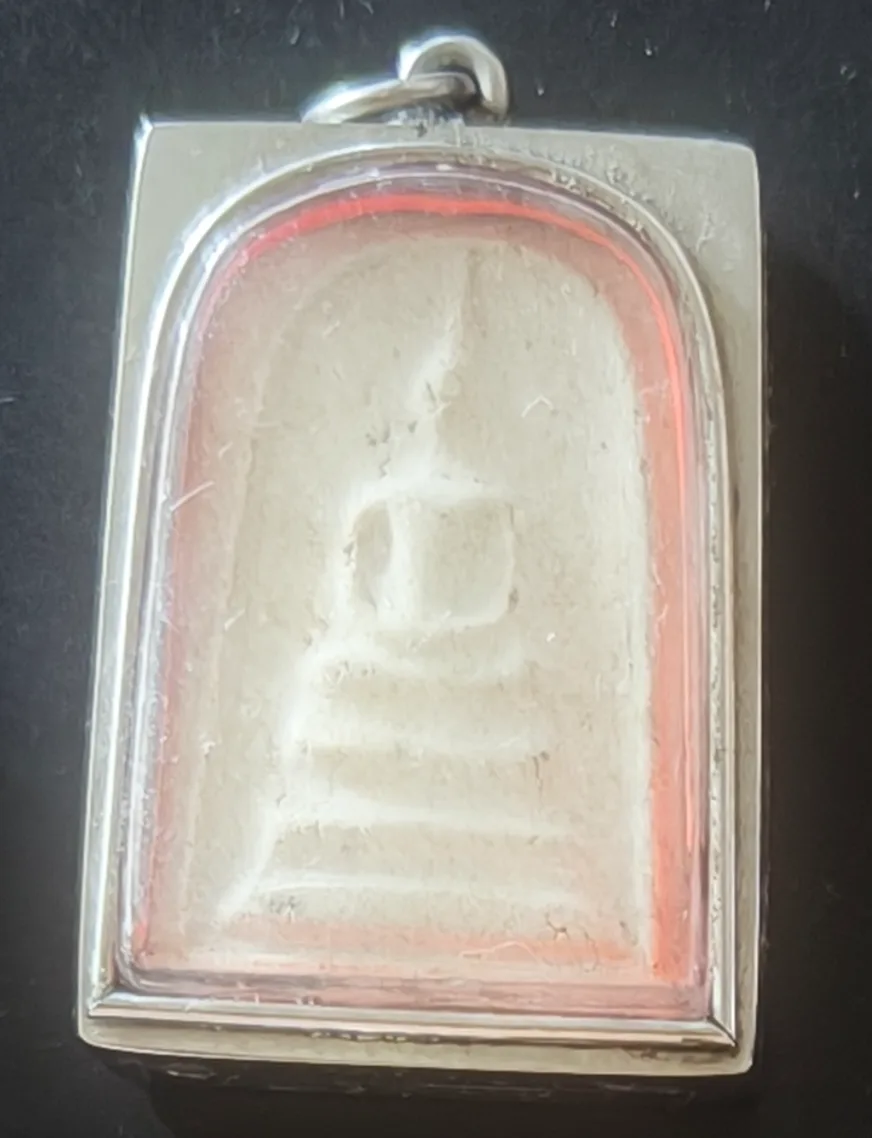
Phra Somdej Amulet – The Revered Thai Buddhist Sacred Amulet
The Phra Somdej Amulet is widely regarded as one of the most important and prestigious forms of Thai Buddhist amulets. It holds a special position within Thailand's amulet tradition and is particularly associated with Somdej Phra Buddhachan (To), one of the most respected Buddhist monks in Thai history.
The most famous tradition is connected with Wat Rakhang Kositaram in Bangkok. Somdej Phra Buddhachan (To), commonly known among devotees as Luang Pu To, is traditionally credited with creating and consecrating Phra Somdej amulets. His reputation for Buddhist learning, meditation practice, compassion, and spiritual devotion contributed greatly to the enduring reverence surrounding these sacred objects.
Phra Somdej amulets are generally characterized by a seated Buddha image enclosed within a distinctive arched or rectangular frame. The simplicity of the composition reflects traditional Buddhist symbolism while giving the amulet a recognizable appearance that has made it one of the most sought-after forms of Thai amulets.
Traditional Phra Somdej amulets were primarily made from sacred powder-based materials. The preparation of these materials could involve Buddhist powders, old sacred amulet material, herbal or mineral ingredients, and other consecrated substances. Because historical examples were produced using traditional methods, individual amulets may show variations in texture, color, density, surface appearance, and composition.
Several principal forms of Phra Somdej are known within the traditional Wat Rakhang lineage. Collectors commonly study differences in the Buddha image, frame shape, base, proportions, surface characteristics, and other details when attempting to identify a particular type or production period.
The spiritual importance of Phra Somdej extends beyond its value as a collectible. For many Thai Buddhists, carrying or keeping a Phra Somdej represents devotion to the Buddha, faith in Buddhist teachings, mindfulness, and the aspiration to live a virtuous life. Traditional beliefs also associate highly respected Phra Somdej amulets with protection, peace of mind, confidence, and auspicious blessings. These beliefs are part of Thai religious and cultural tradition rather than scientifically established effects.
From a collector's perspective, Phra Somdej is an especially complex category because numerous later editions, temple issues, commemorative amulets, and reproductions exist. An amulet should therefore not be identified solely by its general appearance. Important factors include its provenance, dimensions, composition, Buddha image characteristics, frame and base details, surface condition, production history, and comparison with established reference examples.
Authenticity is particularly important for historically attributed Phra Somdej amulets. High-value examples should ideally be examined by experienced specialists and compared with reliable reference materials and documented examples. A professional evaluation should consider the complete characteristics of the amulet rather than relying on a single visual feature.
Today, Phra Somdej remains one of the most recognizable symbols of Thailand's Buddhist amulet culture. It is valued by devotees, collectors, and enthusiasts for its religious significance, traditional craftsmanship, historical associations, and connection with the highly respected Somdej Phra Buddhachan (To).
- Temple
- Wat Rakhang Kositaram, Bangkok — traditionally associated with the most famous Phra Somdej tradition.
- Monk
- Somdej Phra Buddhachan (To) — Luang Pu To, the revered monk traditionally associated with the original Phra Somdej amulets of Wat Rakhang.
- Material
- Traditionally composed of sacred powder-based materials, including finely prepared Buddhist powders