Introduction
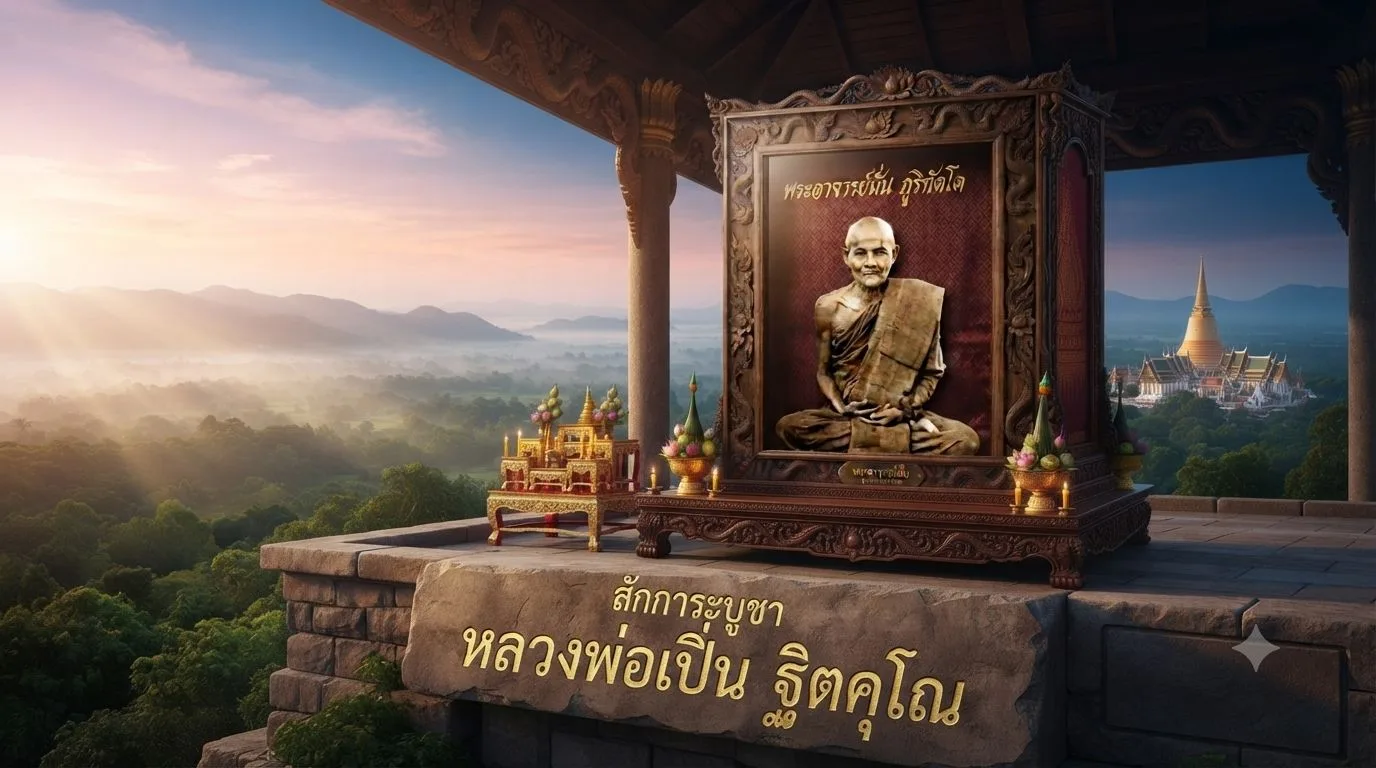
Ajahn Mun Bhuridatta Thera (พระอาจารย์มั่น ภูริทัตโต) is widely regarded as one of the greatest Buddhist meditation masters in Thai history. He was the founder of the modern Thai Forest Tradition and dedicated his life to meditation, strict monastic discipline, and preserving the authentic teachings of the Buddha.
Unlike many famous Thai monks who became known for sacred amulets or miraculous events, Ajahn Mun earned respect through his profound spiritual practice, wisdom, and ability to train generations of accomplished meditation masters.
Early Life
Ajahn Mun was born on 20 January 1870 (B.E. 2413) in Ban Kham Bong, Ubon Ratchathani Province, Thailand. Raised in a farming family, he developed the values of humility, perseverance, and compassion from an early age.
He entered the monkhood as a novice and later received higher ordination, dedicating his life to studying the Buddha's teachings and practicing meditation.
Training Under Ajahn Sao Kantasilo
One of the most significant influences in Ajahn Mun's life was Ajahn Sao Kantasilo, a respected meditation master who encouraged intensive forest meditation and strict observance of the Vinaya.
Following his teacher's guidance, Ajahn Mun spent many years wandering through forests, caves, and remote mountains in Thailand and Laos, living a simple life devoted entirely to meditation.
The Thai Forest Tradition
Ajahn Mun played a central role in reviving the ancient forest monastic tradition. His approach emphasized:
- Living in remote forests
- Daily meditation practice
- Mindfulness in every activity
- Strict observance of monastic discipline
- Contentment with simple living
- Direct realization of the Dhamma
Today, monasteries following the Thai Forest Tradition exist throughout Thailand, Europe, North America, Australia, and many other countries.
Meditation Teachings
Ajahn Mun taught that wisdom comes through direct experience rather than intellectual knowledge alone.
His teachings focused on:
- Mindfulness (Sati)
- Concentration (Samadhi)
- Wisdom (Paññā)
- Impermanence (Anicca)
- Suffering (Dukkha)
- Non-self (Anattā)
Famous Disciples
Ajahn Mun trained many monks who later became internationally respected meditation masters, including:
- Ajahn Chah Subhaddo
- Ajahn Maha Bua Ñāṇasampanno
- Ajahn Lee Dhammadharo
- Ajahn Khao Analayo
- Ajahn Thate Desaransi
Sacred Amulets
Unlike many famous Thai monks, Ajahn Mun was not known for producing large numbers of sacred amulets. Most amulets bearing his image were created later by temples and disciples to commemorate his life and teachings.
Collectors value these amulets because they symbolize wisdom, meditation, and the Thai Forest Tradition rather than material prosperity.
Legacy
Ajahn Mun passed away peacefully on 11 November 1949, but his influence continues through the worldwide Thai Forest Tradition. His teachings remain among the most respected in modern Theravāda Buddhism.
Today, thousands of monks and lay practitioners continue to follow his example of simplicity, mindfulness, compassion, and unwavering dedication to the Buddha's path.
Conclusion
Ajahn Mun Bhuridatta Thera transformed modern Thai Buddhism by reviving the ancient forest meditation tradition. His emphasis on meditation, ethical conduct, and direct realization of the Dhamma continues to inspire practitioners across the globe.
Whether studied for his teachings or remembered through commemorative amulets, Ajahn Mun remains one of the most influential Buddhist masters in modern history.