Introduction
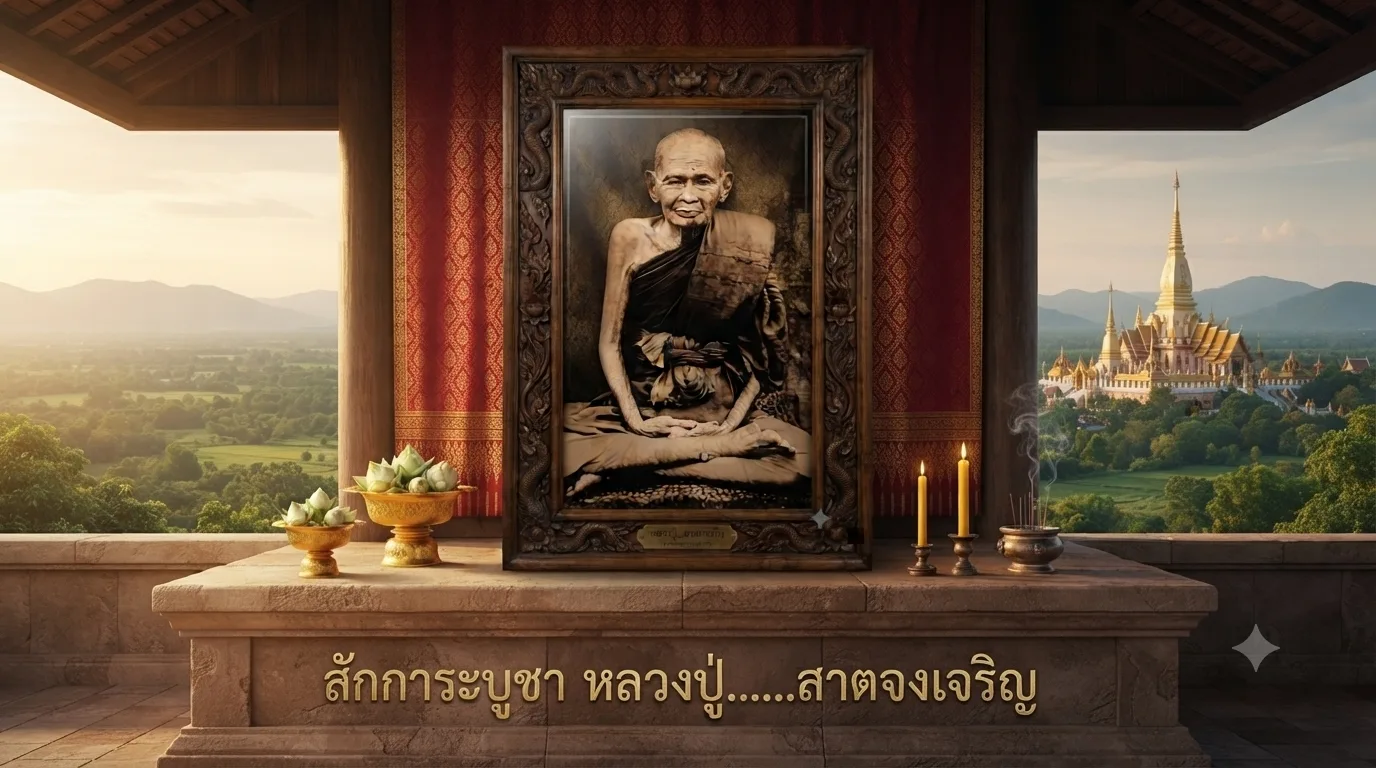
Luang Phor Yiam (หลวงปู่เอี่ยม วัดหนัง), also known as Luang Pu Yiam of Wat Nang Ratchaworawihan, is regarded as one of Thailand's greatest Buddhist monks and one of the most respected masters in Thai amulet history.
Living during the late Ayutthaya and early Rattanakosin periods, Luang Phor Yiam became famous for his deep meditation practice, strict monastic discipline, wisdom, and compassion. His sacred amulets, especially the renowned Phra Pidta Wat Nang, remain among the most sought-after Thai Buddhist amulets.
Beyond his reputation as an amulet master, Luang Phor Yiam was admired as a true practitioner of the Buddha's teachings who emphasized mindfulness, morality, generosity, and spiritual development.
Early Life
Luang Phor Yiam was born in 1814 (B.E. 2357) during the early Rattanakosin period. Details of his early childhood are limited, but historical records describe him as a person with strong faith in Buddhism from a young age.
He entered monkhood and dedicated himself to studying Buddhist scriptures, meditation, traditional knowledge, and monastic discipline. His sincere practice eventually earned him recognition as one of the most respected monks of his era.
Abbot of Wat Nang Ratchaworawihan
Luang Phor Yiam became the abbot of Wat Nang Ratchaworawihan, located in Bangkok. Under his leadership, the temple became an important center for Buddhist practice and sacred knowledge.
He was highly respected for:
- Deep meditation practice.
- Strict adherence to Buddhist discipline.
- Knowledge of sacred Buddhist inscriptions.
- Compassion toward devotees.
- Teaching Buddhist principles.
- Creating blessed amulets.
Many people traveled to Wat Nang to seek his guidance, receive blessings, and learn from his wisdom.
Master of Meditation and Sacred Knowledge
Luang Phor Yiam was considered an accomplished meditation master. His spiritual practice followed traditional Thai Buddhist methods that emphasized concentration, mindfulness, and understanding of the mind.
He was also respected for his knowledge of:
- Yantra inscriptions.
- Sacred chanting.
- Blessing ceremonies.
- Traditional Buddhist protective practices.
- Consecration of sacred objects.
His reputation attracted both ordinary villagers and members of the royal court who respected his wisdom and spiritual accomplishments.
The Famous Phra Pidta Wat Nang
Luang Phor Yiam is best known for the legendary Phra Pidta Wat Nang amulets, which are considered among the finest and most valuable Thai Buddhist amulets.
The Phra Pidta image shows a Buddha figure covering the eyes, symbolizing turning away from worldly distractions and developing inner wisdom.
Devotees traditionally associate Phra Pidta amulets with:
- Protection from danger.
- Avoiding negative influences.
- Peace of mind.
- Good fortune.
- Spiritual protection.
- Inner wisdom.
Authentic Luang Phor Yiam Phra Pidta amulets are extremely rare and highly treasured by serious collectors.
Other Sacred Amulets
Besides Phra Pidta, Luang Phor Yiam was associated with other highly respected sacred objects, including:
- Takrut.
- Rian (coin) amulets.
- Sacred powder amulets.
- Buddha images.
- Temple blessing objects.
These items remain important examples of traditional Thai Buddhist craftsmanship and spiritual heritage.
Buddhist Teachings
Although many people remember Luang Phor Yiam because of his sacred amulets, his greatest contribution was his dedication to Buddhist practice.
His teachings emphasized:
- Generosity (Dana).
- Moral conduct (Sila).
- Meditation (Bhavana).
- Mindfulness (Sati).
- Wisdom (Paññā).
- Compassion (Karuna).
- Loving-kindness (Metta).
- Humility.
- Patience.
He taught that sacred objects should serve as reminders to practice goodness and develop the mind rather than replace personal effort.
Legacy
Luang Phor Yiam passed away in 1923 (B.E. 2466), leaving behind one of the most respected legacies in Thai Buddhist history.
His influence continues through:
- Wat Nang Ratchaworawihan.
- His famous Phra Pidta amulets.
- Traditional Thai Buddhist practices.
- Generations of devotees.
- Thai amulet collecting culture.
Today, he remains one of the most admired monks among collectors and practitioners of Thai Buddhism.
Collecting Luang Phor Yiam Amulets
Luang Phor Yiam amulets are among the most valuable and respected categories in Thai amulet collecting.
Collectors appreciate them because of:
- Historical importance.
- Extreme rarity.
- Traditional craftsmanship.
- Connection to a legendary monk.
- Spiritual significance.
- Strong collector demand.
Due to the high value of genuine pieces, collectors should carefully verify authenticity and seek advice from trusted experts.
Conclusion
Luang Phor Yiam of Wat Nang remains one of Thailand's most legendary Buddhist monks. His wisdom, meditation practice, compassion, and sacred amulets have secured his place among the greatest masters in Thai Buddhist history.
His famous Phra Pidta amulets continue to be treasured worldwide, but his greatest legacy remains his example of spiritual discipline, kindness, and dedication to the Buddha's teachings.