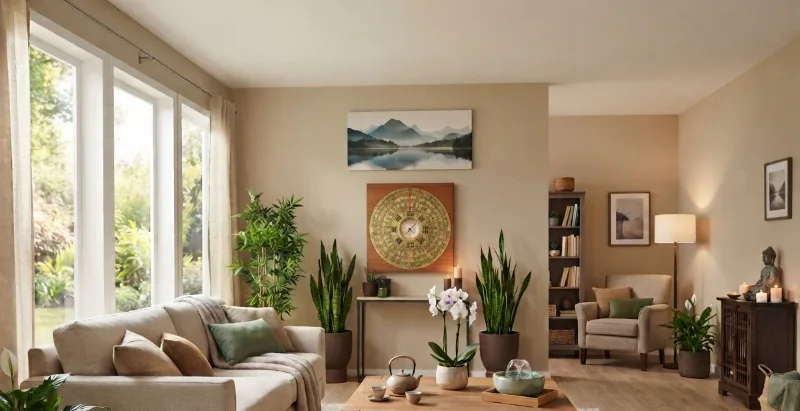
Business Feng Shui applies traditional Feng Shui principles to commercial spaces such as offices, retail stores, restaurants, clinics, and other workplaces. The goal is to create an environment that feels comfortable, organized, and welcoming for employees, customers, and visitors.
While Feng Shui has long been associated with prosperity and success, it should not be viewed as a guarantee of financial results. Instead, Business Feng Shui encourages thoughtful workplace design, efficient organization, and balanced surroundings that may support productivity, employee well-being, and positive customer experiences.
Why Business Feng Shui Matters
First impressions matter. Whether customers visit your office, showroom, or retail store, the physical environment influences how they experience your business.
A well-designed business environment should feel:
- Professional and welcoming.
- Clean and organized.
- Easy to navigate.
- Bright and comfortable.
- Supportive of teamwork and productivity.
Create a Welcoming Entrance
In Feng Shui, the main entrance is often described as the "mouth of Qi" because it is where people and opportunities enter the business. A welcoming entrance creates a positive first impression and improves accessibility.
Consider the following:
- Keep entrances clean and uncluttered.
- Ensure signage is visible and easy to read.
- Provide adequate lighting.
- Repair damaged doors or handles promptly.
- Keep pathways clear for customers and staff.
Reception Area
The reception area often shapes a visitor's first impression. Comfortable seating, tidy workspaces, and friendly décor help create a professional atmosphere.
Useful additions include:
- Comfortable chairs.
- Healthy indoor plants.
- Good lighting.
- Clear directional signs.
- Neat reception counters.
Office Layout and Workflow
An efficient layout allows employees to move comfortably throughout the office while reducing unnecessary obstacles.
Good workplace design includes:
- Wide, unobstructed walkways.
- Logical department placement.
- Easy access to shared equipment.
- Comfortable meeting areas.
- Clearly organized workstations.
Desk Placement
Managers and business owners often place their desks in the traditional command position. This generally means sitting where the entrance is visible without being directly aligned with the doorway.
A solid wall behind the chair is traditionally associated with stability and support. If your office layout makes this impossible, prioritize good lighting, comfortable seating, and an organized workspace.
Keep the Workplace Organized
Organization improves efficiency while reducing distractions. Cluttered desks, overflowing storage areas, and tangled cables may make work more difficult and create an untidy appearance.
Regularly:
- File important documents.
- Recycle unnecessary paperwork.
- Organize storage rooms.
- Maintain equipment.
- Label shelves and cabinets.
Lighting and Ventilation
Bright, well-ventilated workplaces are generally more comfortable for employees and customers.
Whenever possible:
- Maximize natural daylight.
- Use energy-efficient lighting.
- Maintain comfortable temperatures.
- Ensure good air circulation.
Balance the Five Elements
Business environments can incorporate all Five Elements through thoughtful interior design.
Element Business Examples Wood Wood furniture, plants, bookshelves Fire Lighting, warm accent colors, presentation screens Earth Stone surfaces, ceramics, neutral colors Metal Office equipment, shelving, frames Water Blue accents, glass features, water-themed artworkChoose Appropriate Colors
Colors help define the atmosphere of your workplace and should reflect your brand identity while supporting employee comfort.
Color Associated Element Common Association Blue Water Trust and calmness Green Wood Growth and creativity White Metal Cleanliness and efficiency Gray Metal Professional appearance Beige Earth Warmth and stabilityIndoor Plants
Healthy plants introduce natural beauty into commercial spaces and are commonly associated with the Wood element in Feng Shui.
Popular office plants include:
- Snake Plant
- ZZ Plant
- Pothos
- Peace Lily
- Lucky Bamboo
Select plants appropriate for your lighting conditions and maintain them regularly.
Meeting Rooms
Meeting rooms should encourage communication and collaboration.
Consider:
- Comfortable seating.
- Good acoustics.
- Bright lighting.
- Reliable presentation equipment.
- Minimal distractions.
Retail Feng Shui Tips
Retail businesses can improve customer experience by creating stores that are easy to explore.
- Keep entrances inviting.
- Avoid cluttered aisles.
- Clearly display products.
- Maintain clean checkout areas.
- Provide comfortable lighting.
Restaurant Feng Shui Tips
Restaurants benefit from layouts that help customers feel comfortable and make staff movement efficient.
Focus on:
- Comfortable seating arrangements.
- Balanced lighting.
- Clean dining areas.
- Good ventilation.
- Efficient kitchen workflows.
Common Business Feng Shui Mistakes
- Poorly maintained entrances.
- Cluttered workspaces.
- Broken lighting.
- Blocked emergency exits.
- Confusing customer navigation.
- Neglected maintenance.
- Poor indoor air quality.
Frequently Asked Questions
Can Feng Shui guarantee business success?
No. Feng Shui should be viewed as a complementary design philosophy that helps create organized, welcoming, and functional environments. Business success depends on many factors, including quality products or services, customer service, financial management, and effective leadership.
Do small businesses benefit from Feng Shui?
Yes. Businesses of all sizes can apply practical Feng Shui principles such as improving organization, lighting, cleanliness, and workspace layout.
Do I need expensive renovations?
Not at all. Many improvements involve inexpensive changes, including better organization, healthier plants, improved lighting, repairing damaged fixtures, and reducing clutter.