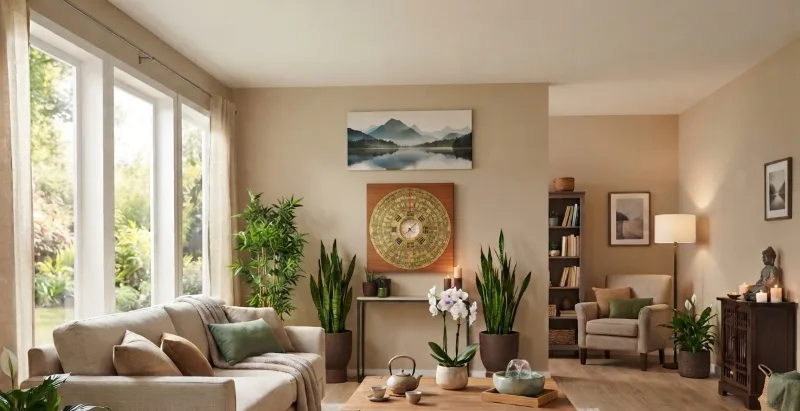
Feng Shui (风水), meaning "Wind and Water," is an ancient Chinese practice that focuses on creating harmony between people and their surroundings. For thousands of years, Feng Shui has been used to improve homes, workplaces, gardens, businesses, and cities by encouraging the smooth flow of Qi (Chi)—the life force believed to influence health, relationships, wealth, and success.
While many people associate Feng Shui with lucky ornaments or furniture placement, traditional Feng Shui is a comprehensive system that considers natural energy, balance, direction, time, and the relationship between humans and the environment. This guide introduces the key principles of Feng Shui and links to in-depth articles covering each topic.
What is Feng Shui?
Feng Shui is the ancient Chinese art and science of arranging living and working spaces to maximize positive energy while minimizing negative influences. The goal is to create an environment that supports physical well-being, emotional balance, financial prosperity, and healthy relationships.
Many modern homes and offices apply Feng Shui principles through thoughtful room layouts, improved lighting, decluttering, natural ventilation, and balancing the Five Elements.
History of Feng Shui
Feng Shui has a history spanning more than 3,000 years. It originated in ancient China, where it was first used to determine favorable locations for imperial palaces, temples, villages, and burial sites. Over the centuries, Feng Shui developed into a sophisticated system that is now practiced throughout the world.
Today, Feng Shui is commonly used in residential homes, commercial buildings, gardens, hotels, and offices to improve comfort and encourage a balanced environment.
The Core Principles of Feng Shui
Qi (Chi)
Qi is considered the invisible life energy flowing through everything in nature. Healthy Qi supports vitality, happiness, and success, while blocked or stagnant Qi is believed to contribute to stress and imbalance.
Yin and Yang
Yin and Yang represent two complementary forces that exist in everything. Good Feng Shui seeks balance between these opposing yet interconnected energies. For example, bedrooms benefit from calming Yin energy, while workspaces generally benefit from more active Yang energy.
The Five Elements
The Five Elements form one of the foundations of Feng Shui.
Element Represents Typical Colors Wood Growth and Creativity Green, Brown Fire Passion and Recognition Red, Orange Earth Stability and Support Yellow, Beige Metal Focus and Precision White, Gold, Silver Water Wisdom and Career Blue, BlackBalancing these five elements helps create harmonious spaces that support different aspects of daily life.
Understanding the Bagua Map
The Bagua Map divides a home or workplace into nine life areas, each associated with a different aspect of life.
Area Represents Wealth Prosperity and Abundance Fame Reputation and Recognition Love Relationships and Marriage Family Health and Ancestors Center Overall Wellness Children Creativity and Future Knowledge Education and Wisdom Career Life Path Helpful People Mentors and TravelFeng Shui for Every Room
Living Room
- Keep the room bright and welcoming.
- Arrange seating to encourage conversation.
- Avoid excessive clutter.
- Add healthy indoor plants where appropriate.
Bedroom
- Choose a solid headboard.
- Use calming colors.
- Avoid mirrors directly facing the bed.
- Keep electronics to a minimum.
Kitchen
- Keep the stove clean.
- Repair leaking taps promptly.
- Maintain an organized cooking area.
Bathroom
- Keep the bathroom clean and well ventilated.
- Repair leaks quickly.
- Close the toilet lid when not in use.
Home Office
- Position the desk where possible to face the room entrance.
- Keep the workspace organized.
- Ensure sufficient natural or soft lighting.
Feng Shui for Wealth
Many people practice Feng Shui to encourage prosperity and financial opportunities. Common recommendations include maintaining a clutter-free entrance, placing healthy plants in suitable areas, ensuring good lighting, and creating an organized workspace. Feng Shui is intended to complement practical financial planning, rather than replace it.
Feng Shui for Health
A healthy environment supports both physical and emotional well-being. Simple Feng Shui practices include:
- Allowing fresh air to circulate.
- Maximizing natural light.
- Keeping living spaces tidy.
- Adding healthy indoor plants.
- Reducing unnecessary clutter.
Popular Feng Shui Symbols
- Pixiu (Pi Yao)
- Three-Legged Money Frog
- Lucky Bamboo
- Dragon
- Laughing Buddha
- Chinese Coins
- Wealth Vase
- Crystal Ball
- Fu Dogs
- Tortoise
These traditional symbols are commonly used as reminders of qualities such as prosperity, protection, longevity, and good fortune. Their significance varies according to different schools of Feng Shui and personal beliefs.
Frequently Asked Questions
Is Feng Shui a religion?
No. Feng Shui is a traditional Chinese practice focused on environmental harmony. People of many cultures and beliefs apply its principles to create comfortable and balanced spaces.
Can Feng Shui guarantee wealth?
No. Feng Shui aims to create a supportive environment, but financial success also depends on personal effort, planning, opportunities, and responsible decision-making.
Can Feng Shui be used in apartments?
Yes. Many Feng Shui principles, such as decluttering, improving lighting, and arranging furniture thoughtfully, can be adapted to homes of any size.
Explore Our Feng Shui Guides
Feng Shui Basics
- What is Feng Shui?
- History of Feng Shui
- Understanding Qi Energy
- Yin and Yang Explained
- The Five Elements
- Bagua Map Guide
Home Feng Shui
- Living Room Feng Shui
- Bedroom Feng Shui
- Kitchen Feng Shui
- Bathroom Feng Shui
- Home Office Feng Shui
- Garden Feng Shui
Wealth & Business
Feng Shui Symbols
Start Your Feng Shui Journey
Whether you are looking to create a peaceful home, improve your workspace, or learn about the rich cultural traditions behind Feng Shui, understanding its core principles is the first step. Explore the guides above to discover practical tips, traditional symbolism, and the philosophy that has influenced architecture and interior design for centuries.