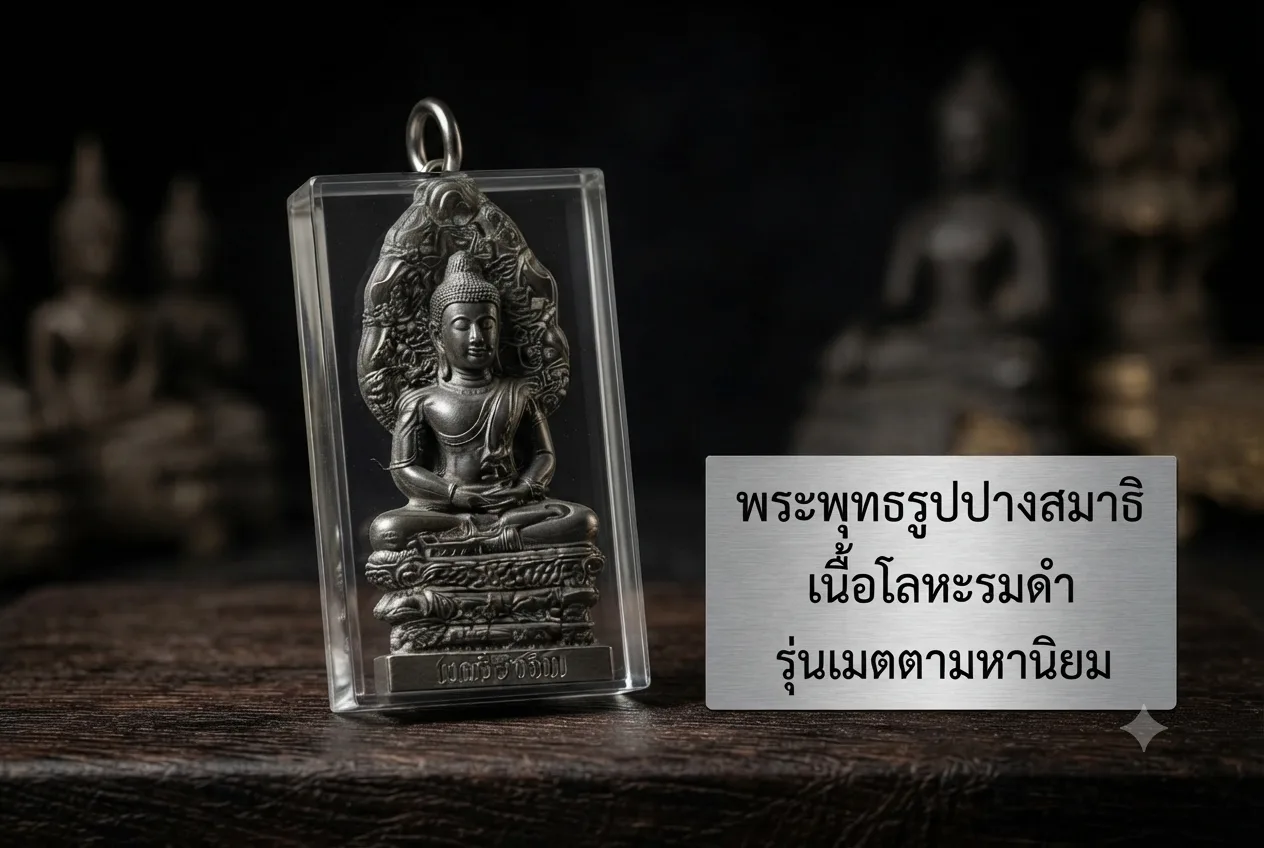
Thai Buddhist amulets have a long and fascinating history within Thai Buddhist culture. Many devotees wear amulets as expressions of faith, devotion and respect for Buddhist teachings and revered monks. Some also believe that particular amulets may provide spiritual protection, confidence, good fortune or blessings.
In Thailand, the term "renting" an amulet is commonly used in the amulet community. It does not necessarily mean renting an object for a short period and returning it. Rather, it generally refers to acquiring or taking an amulet into one's possession, often through an amulet dealer, temple, collector or private transaction.
This guide explains the traditional meaning of renting Thai amulets, how to choose one, how to treat it respectfully and what to consider before acquiring an amulet.
What Does "Renting" a Thai Amulet Mean?
Visitors who are unfamiliar with the Thai amulet market may find the expression "renting an amulet" confusing. In Thai amulet culture, however, the concept of เช่าพระ (Chao Phra) is commonly used when acquiring a Buddhist amulet.
The practice is closely connected with the tradition of venerating Buddha images, sacred objects and amulets associated with respected monks and temples.
For many devotees, acquiring an amulet is not simply a commercial purchase. It can represent a personal connection to Buddhist faith, a respected monk, a temple or a particular spiritual tradition.
Why Do People Wear Thai Amulets?
People wear Thai amulets for different personal and cultural reasons. Some wear them as a reminder of Buddhist teachings, while others appreciate their connection with a particular monk, temple or historical tradition.
Common reasons people give for wearing Thai amulets include:
- Expressing Buddhist faith and devotion
- Showing respect for a revered monk or temple
- Seeking spiritual encouragement and protection
- Keeping a reminder of Buddhist teachings close to oneself
- Supporting confidence and peace of mind
- Appreciating Thai religious art and cultural heritage
- Collecting historically or artistically significant amulets
Beliefs about the powers and blessings associated with amulets vary between individuals, temples, traditions and schools of thought.
Thai Amulets and Buddhist Blessings
Many Thai amulets are associated with a Buddhist temple or monk. Some amulets are blessed during ceremonies in which monks perform prayers and religious rites.
Devotees may regard such an amulet as a sacred reminder of their faith and the teachings represented by the Buddha, Dharma and Sangha.
The word "blessing" should therefore be understood in its religious and cultural context. A blessing is not a guarantee that a specific event will happen or that an amulet will produce a particular material result.
For many believers, the deeper value of an amulet lies in the faith, mindfulness and respect that accompany wearing it.
Choosing a Thai Amulet for Your Personal Purpose
There are many different types of Thai Buddhist amulets, and each has its own history, symbolism and tradition. Rather than choosing an amulet solely because someone claims that it will bring a particular result, consider its religious meaning and whether it has personal significance to you.
Some devotees choose an amulet because they have a connection with a particular monk or temple. Others choose based on the Buddha image, traditional symbolism, historical importance or personal preference.
Consider the Following Factors
- Monk: Learn about the monk associated with the amulet and his reputation and teachings.
- Temple: Investigate the temple and the amulet's historical background.
- Amulet Type: Understand the Buddhist image or traditional form represented by the amulet.
- Purpose: Consider whether your interest is primarily devotional, cultural, historical or collectible.
- Condition: Examine the physical condition of the amulet carefully.
- Authenticity: For valuable or older amulets, seek reliable authentication from knowledgeable specialists.
- Provenance: Where possible, learn about the amulet's previous ownership and history.
Popular Types of Thai Buddhist Amulets
Thai amulets come in many forms. Some of the best-known categories are associated with particular temples, historical periods and respected monks.
Phra Somdej
Phra Somdej is among the most famous categories of Thai Buddhist amulets. It is strongly associated with Somdej Phra Buddhachan (Toh) of Wat Rakang Kositaram and is highly regarded among Thai amulet collectors.
Phra Pidta
Phra Pidta is traditionally depicted with the figure covering the face. Different traditions and interpretations associate the image with concepts such as turning inward, avoiding harmful influences and spiritual contemplation.
Phra Nang Phaya
Phra Nang Phaya is a famous Thai amulet type traditionally associated with strength, confidence and auspicious qualities. It is also an important category within Thai amulet collecting.
Phra Khun Paen
Phra Khun Paen is another well-known category with a rich history and many regional variations. Different versions may have different designs, materials and traditional associations.
Luang Pu and Luang Phor Amulets
Amulets associated with respected monks are especially popular. Their appeal may come from the monk's reputation, teachings, meditation tradition, temple history and the religious ceremonies associated with the amulet.
Should You Choose an Amulet Based on Its Claimed Power?
A common mistake for newcomers is to focus entirely on claims that an amulet will provide wealth, attraction, protection or guaranteed success.
Such claims can vary considerably between sellers and traditions. A more responsible approach is to learn about the amulet's historical background, religious symbolism and association with its monk or temple.
An amulet can be meaningful without being treated as a guaranteed solution to life's problems.
How to Check the Authenticity of a Thai Amulet
Authenticity is one of the most important considerations when acquiring Thai amulets, particularly when dealing with older or valuable pieces.
Unfortunately, the popularity of Thai amulets has also resulted in reproductions, later copies and amulets being incorrectly attributed to famous temples or monks.
Beginners should therefore avoid making expensive purchases based solely on photographs or seller claims.
Things to Research
- The temple associated with the amulet
- The monk or master who created or blessed it
- The historical production period
- Known materials and dimensions
- Traditional mold or block characteristics
- Surface and ageing characteristics
- Known reference examples
- Provenance and previous ownership
- Independent expert opinions
For expensive amulets, professional authentication is strongly recommended before committing to a transaction.
How to Respectfully Wear a Thai Amulet
Many devotees wear Thai amulets around the neck in a protective casing or amulet frame. The amulet is generally treated with respect because it represents a Buddhist image or a connection with a respected religious tradition.
Some traditional practices include:
- Keeping the amulet clean and in good condition
- Treating Buddha images respectfully
- Avoiding intentionally disrespectful handling
- Keeping the amulet secure when not being worn
- Maintaining personal mindfulness and good conduct
Customs can vary, so devotees should follow the guidance of their temple or religious tradition where appropriate.
Does Wearing an Amulet Guarantee Protection or Good Fortune?
No responsible guide should promise that wearing a particular amulet will guarantee protection, wealth, health, success or other specific outcomes.
Beliefs surrounding Thai amulets are part of a rich religious and cultural tradition, but personal experiences and interpretations vary.
For many devotees, the greatest value of wearing an amulet is the reminder it provides to practise mindfulness, compassion, morality and faith.
An amulet may serve as a personal symbol of encouragement, while practical decisions and responsible actions remain essential in everyday life.
How to Care for Your Thai Amulet
Proper care helps preserve both the physical condition and historical character of an amulet.
- Protect it from moisture: Avoid unnecessary exposure to water and humidity.
- Use a suitable casing: A quality protective casing can help reduce physical damage.
- Avoid harsh cleaning: Do not use chemicals or aggressive cleaning methods on old amulets.
- Handle carefully: Older amulets can be fragile and may deteriorate if handled excessively.
- Store properly: When not being worn, keep the amulet in a clean and dry place.
If an old or valuable amulet requires cleaning or restoration, consult a specialist rather than attempting aggressive treatment yourself.
Where Can You Rent a Thai Amulet?
Thai amulets may be obtained through temples, established amulet dealers, specialist collectors and reputable online amulet platforms.
When dealing with an unfamiliar seller, research the seller's reputation and transaction history before making a purchase.
A trustworthy seller should be willing to provide reasonable information about the amulet, including its claimed temple, associated monk, age, material and provenance where available.
Be particularly cautious when a seller claims that an amulet has guaranteed supernatural powers or promises extraordinary financial, health or relationship results.
Questions to Ask Before Renting an Amulet
If you are new to Thai amulets, asking the right questions can help you make a more informed decision.
- Which temple is the amulet associated with?
- Which monk created or blessed the amulet?
- When was the amulet produced?
- What material was used?
- Is this a recognised edition or batch?
- Is there documentation or provenance?
- Has the amulet been authenticated?
- Has the amulet been repaired or altered?
- What is the seller's return or authenticity policy?
- Is the asking price appropriate for its condition and provenance?
Thai Amulets as a Form of Cultural Heritage
Thai amulets are more than objects associated with personal devotion. Many are also important examples of Thai religious art, craftsmanship and cultural history.
Their designs can reflect Buddhist iconography, local artistic traditions, historical events, temple culture and the teachings of respected monks.
Learning about the history behind an amulet can therefore make the experience of owning and wearing one much more meaningful.
Renting an Amulet With the Right Mindset
The best way to approach a Thai amulet is with respect, understanding and realistic expectations.
Rather than viewing an amulet simply as a lucky object, consider it as a reminder of the values and traditions represented by the Buddha, the monk or the temple associated with it.
Faith, mindfulness, ethical behaviour and positive action remain important parts of Buddhist practice. An amulet can complement these qualities as a personal symbol, but it should not replace responsible action.
Conclusion
Renting a Thai amulet can be a meaningful experience for people interested in Thai Buddhism, religious culture and traditional amulet collecting.
Before choosing an amulet, take time to understand its monk, temple, history, symbolism and authenticity. Consider why you want to wear it and choose an amulet that has genuine personal or spiritual meaning to you.
Most importantly, approach Thai amulets with respect. Whether you wear one as an expression of faith, a reminder of Buddhist teachings, a cultural connection or a collectible, understanding its history can make the experience far more meaningful.
Explore Thai Amulets
Discover Thai Buddhist amulets associated with famous monks, temples and traditional Buddhist practices. Learn about their history, symbolism and cultural significance before choosing an amulet that is meaningful to you.
Explore Thai AmuletsDisclaimer
Thai amulet beliefs and traditions vary between temples, practitioners and individuals. Information about blessings, protection, luck and spiritual benefits represents traditional religious or cultural beliefs and should not be interpreted as a guarantee of specific results.
Buyers should conduct appropriate research and seek qualified expert opinions when purchasing rare or high-value amulets.