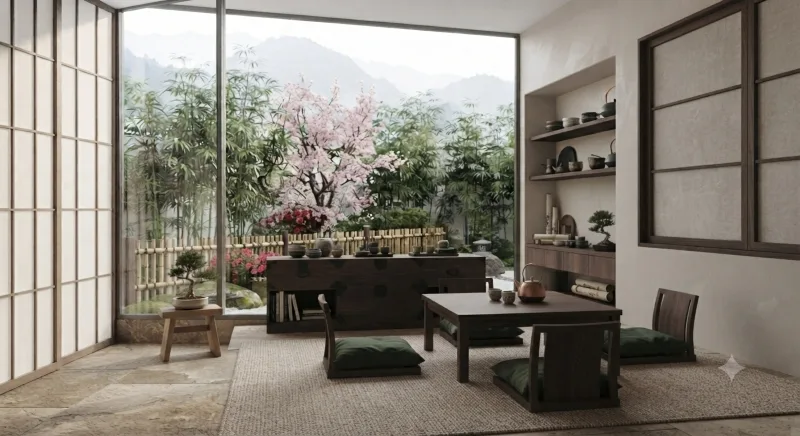
The living room is often considered the heart of the home. It is where family members gather, guests are welcomed, conversations take place, and memories are created. Because of its central role in daily life, the living room is one of the most important spaces in Feng Shui.
A well-planned living room encourages the smooth flow of Qi (Chi), creates a comfortable atmosphere, and balances the principles of Yin and Yang and the Five Elements. Rather than focusing only on decorative items, Feng Shui emphasizes practical design, organization, lighting, and furniture placement that support both comfort and functionality.
Why the Living Room Matters in Feng Shui
Unlike bedrooms, which emphasize rest, or offices, which focus on productivity, the living room serves multiple purposes. It should feel welcoming enough for social gatherings while remaining comfortable for quiet family time.
Good Feng Shui aims to create a room that is:
- Comfortable and inviting
- Easy to move through
- Well lit
- Organized and clutter-free
- Balanced in color and décor
- Suitable for conversation and relaxation
Start with a Clean and Organized Space
One of the simplest Feng Shui improvements is reducing clutter. Excessive clutter may interrupt the natural flow of Qi and make a room feel cramped or stressful.
To maintain a harmonious living room:
- Keep walkways clear.
- Store unused items out of sight.
- Avoid overcrowding with furniture.
- Organize shelves and entertainment units.
- Repair or replace damaged furniture.
Create a Smooth Flow of Qi
Qi should move naturally throughout the room without being blocked. Arrange furniture to encourage easy movement between the entrance, seating areas, and other parts of the home.
Avoid:
- Blocking doorways with large furniture.
- Narrow pathways.
- Overcrowded layouts.
- Large obstacles in the center of the room.
An open and functional layout generally feels more welcoming and comfortable.
Furniture Placement
The Main Sofa
The largest sofa is often the focal point of the living room. In Feng Shui, it is generally recommended that it:
- Have a solid wall behind it for a sense of support.
- Face toward the main part of the room when practical.
- Allow occupants to see the entrance without sitting directly in line with the door.
Seating Arrangement
Arrange chairs and sofas to encourage conversation rather than placing all seating toward a television. Circular or gently angled seating layouts often create a more welcoming atmosphere.
Balance Yin and Yang
The living room benefits from a balance of relaxing Yin qualities and active Yang qualities.
Yin Features Yang Features Comfortable sofas Natural sunlight Soft fabrics Fresh air Warm rugs Open spaces Calming colors Bright lighting Relaxing artwork Active gathering areasThe right balance depends on how your family uses the room.
Incorporate the Five Elements
Element Examples Wood Indoor plants, wooden furniture Fire Warm lighting, candles (used safely), red accents Earth Ceramics, stone, beige tones Metal Metal frames, white décor, round tables Water Blue accents, reflective surfaces, water-themed artworkAim for balance rather than emphasizing one element too strongly.
Choose Appropriate Colors
Color choices influence the mood of a room. Neutral tones create a calm foundation, while accent colors can introduce energy and personality.
Color Associated Element Common Feeling Green Wood Growth and freshness Red Fire Warmth and energy Yellow Earth Comfort and stability White Metal Cleanliness and clarity Blue Water Calmness and reflectionLighting Matters
Lighting plays a major role in Feng Shui. Whenever possible, maximize natural light during the day. In the evening, use layered lighting that combines overhead fixtures, table lamps, and floor lamps to create a comfortable atmosphere.
Dark corners may benefit from additional lighting to make the room feel more balanced and welcoming.
Use Healthy Plants
Healthy indoor plants are often associated with the Wood element and can bring a sense of freshness to the living room.
Choose plants that:
- Are healthy and well maintained.
- Suit your available light.
- Do not obstruct walkways.
- Complement the room's overall design.
Mirrors in the Living Room
Mirrors can help reflect light and create a greater sense of space. Place them carefully so they enhance natural light or pleasant views rather than reflecting clutter or causing glare.
Keep the Entrance Inviting
If your living room is near the main entrance, ensure this area remains clean, bright, and easy to navigate. Since Qi is traditionally believed to enter through the front door, an uncluttered entrance helps create a welcoming first impression.
Common Feng Shui Mistakes
- Blocking doors or windows with furniture.
- Overcrowding the room.
- Poor lighting.
- Neglecting broken furniture or decorations.
- Allowing excessive clutter to accumulate.
- Ignoring comfortable seating arrangements.
Frequently Asked Questions
Where should the sofa be placed?
When practical, place the main sofa against a solid wall with a clear view of the room and, ideally, the entrance. This arrangement is traditionally associated with stability and comfort.
Are indoor plants good Feng Shui?
Healthy plants are commonly associated with vitality and the Wood element. They can contribute to a fresh, pleasant atmosphere when properly maintained.
Can I have a television in the living room?
Yes. Feng Shui focuses on balance and functionality. Position the television so it does not dominate the room when it is not in use, and maintain a seating layout that still encourages conversation and comfort.