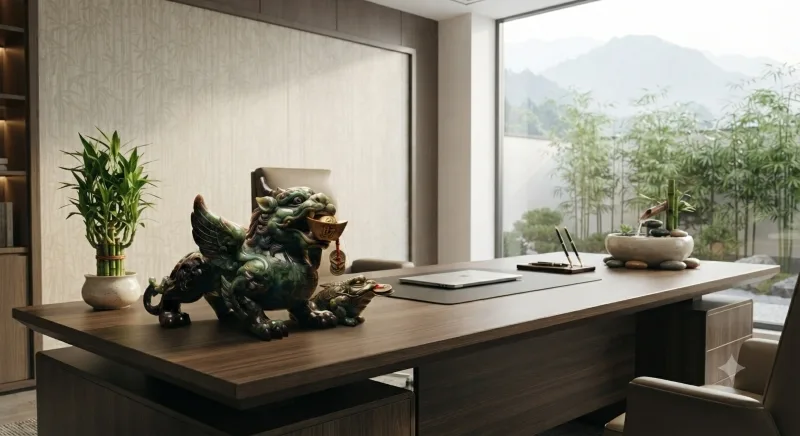
Whether you work in a corporate office, a small business, or a shared workspace, your surroundings can influence comfort, concentration, and efficiency. Office Feng Shui combines traditional Chinese design principles with modern workplace planning to create environments that support productivity, collaboration, and employee well-being.
Rather than promising business success or financial rewards, Office Feng Shui focuses on practical improvements such as workspace organization, natural lighting, ergonomic furniture, and balanced interior design that encourage the smooth flow of Qi (Chi).
Why Office Feng Shui Matters
Employees often spend eight or more hours each day at work. An organized, comfortable office can improve workflow, reduce distractions, and create a professional atmosphere for both staff and visitors.
A balanced office should be:
- Clean and organized
- Bright and well ventilated
- Comfortable to work in
- Easy to navigate
- Designed for collaboration and focus
Choose the Right Desk Position
One of the best-known Feng Shui recommendations is placing your desk in the command position. Ideally, you should be able to see the office entrance while sitting at your desk without being directly in line with the door.
If possible:
- Place your chair against a solid wall.
- Keep the doorway within your view.
- Avoid sitting directly under large ceiling beams.
- Allow enough room to move comfortably around the desk.
When the office layout cannot accommodate the ideal arrangement, focus on keeping your workspace organized and well lit.
Keep Your Desk Organized
A clutter-free desk supports efficient work and reduces distractions. Organization is one of the simplest and most effective Feng Shui practices.
Good habits include:
- Removing unnecessary paperwork.
- Using storage drawers and organizers.
- Keeping computer cables tidy.
- Returning office supplies after use.
- Cleaning your desk at the end of each workday.
Use Comfortable Furniture
Ergonomic furniture improves comfort during long working hours.
Look for:
- Adjustable office chairs.
- Proper lumbar support.
- Desks at the correct height.
- Monitor positioning that reduces neck strain.
- Footrests if needed.
Maximize Natural Light
Natural daylight creates a brighter and more pleasant working environment. Whenever possible, position workstations where employees can benefit from natural light without excessive screen glare.
Supplement with:
- LED office lighting.
- Task lamps.
- Indirect ambient lighting.
- Window blinds for glare control.
Improve Air Quality
Fresh air contributes to workplace comfort and concentration. Open windows when possible or maintain effective ventilation systems.
Healthy indoor plants may also improve the appearance of the workspace while introducing natural elements into the office.
Balance Yin and Yang
An effective office requires both active (Yang) and calm (Yin) qualities.
Yin Features Yang Features Quiet work zones Collaborative meeting spaces Comfortable seating Bright lighting Soft finishes Active work areas Private offices Open communication spaces Relaxation corners Reception areasIncorporate the Five Elements
Office interiors can naturally include all Five Elements.
Element Office Examples Wood Wood furniture, plants, shelving Fire Lighting, warm accent colors Earth Stone finishes, ceramics, neutral décor Metal Computers, filing cabinets, frames Water Glass partitions, blue décor, water artworkSelect Colors Carefully
Color influences the overall atmosphere of an office and should complement the company's branding while maintaining employee comfort.
Color Associated Element Typical Effect Blue Water Calmness and concentration Green Wood Growth and creativity White Metal Clean, professional appearance Gray Metal Modern and balanced Beige Earth Warmth and stabilityUse Indoor Plants
Healthy indoor plants introduce natural beauty and are associated with the Wood element in Feng Shui.
Popular office plants include:
- Snake Plant
- ZZ Plant
- Pothos
- Peace Lily
- Lucky Bamboo
- Rubber Plant
Choose plants suitable for your lighting conditions and keep them healthy through regular care.
Create Productive Meeting Spaces
Meeting rooms should encourage discussion, collaboration, and clear communication.
Helpful features include:
- Comfortable chairs.
- Good acoustics.
- Bright lighting.
- Reliable presentation equipment.
- Minimal visual distractions.
Reception Area Feng Shui
The reception area often creates the first impression of your business. Maintain a clean reception desk, comfortable seating, clear signage, and healthy plants to welcome visitors.
Technology Management
Modern offices rely on technology, but excessive cable clutter and poorly organized equipment can create an untidy appearance.
Improve organization by:
- Using cable management systems.
- Keeping charging stations organized.
- Maintaining office equipment regularly.
- Replacing damaged electronics promptly.
Common Office Feng Shui Mistakes
- Cluttered desks.
- Poor lighting.
- Blocked walkways.
- Broken office equipment.
- Poor ventilation.
- Uncomfortable chairs.
- Overcrowded workstations.
Frequently Asked Questions
Does Office Feng Shui improve productivity?
Office Feng Shui encourages organization, thoughtful layouts, comfortable furniture, and balanced environments. While these factors may support employee comfort and productivity, results depend on many factors, including management, work processes, and workplace culture.
Can I apply Feng Shui in a small office?
Yes. Even small offices can benefit from decluttering, improving lighting, using ergonomic furniture, and creating efficient layouts.
Should every employee face the door?
Not always. Office layouts often limit desk placement. When the ideal command position is not possible, focus on maintaining a comfortable, organized, and well-lit workspace.